Rustic Weathered Wood Texture: Capturing Authentic Character
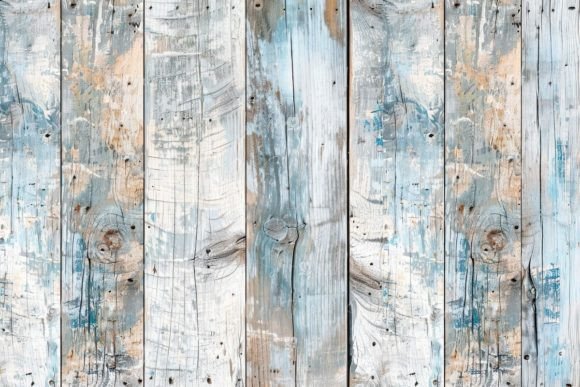
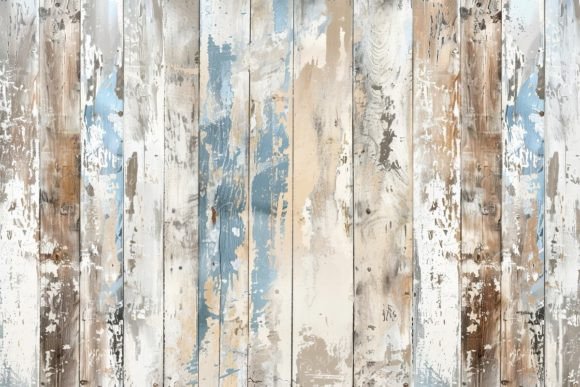
There is a specific kind of honesty in surfaces that have been shaped by time. A barn wall that has faced decades of sun and rain, or a workshop table scarred by tools and use, tells a story that new materials simply cannot. This is the core appeal of the Rustic Weathered Wood Texture. It is more than a digital asset; it is a direct translation of that physical honesty into your creative work. The texture captures the nuanced layers of distressed wooden panels with peeling paint, revealing the grain of the wood beneath patches of faded color. It speaks of resilience, warmth, and an unpolished authenticity that feels grounded and real in a world of sleek, digital surfaces.
The Visual Language of Distressed Surfaces
What makes this texture so compelling is its complexity. It is not a simple, repeating pattern. Look closely at a high-resolution file, and you will see a history. There are the deep, natural tones of the wood itself—honeyed oak, weathered gray, or rich walnut. Over this, layers of paint have cracked and curled, creating a fascinating topography of color and shadow. A faded blue might peek through a chipped cream, or a rustic red might be worn down to its base. This visual complexity provides immense depth. It can serve as a powerful background that adds instant narrative to a project without overwhelming the primary content. The texture has a personality that is simultaneously rustic and refined, making it a versatile player in a designer's toolkit.
Its strength lies in its ability to evoke a feeling. Used in logo design, it can immediately position a brand as authentic, artisanal, or connected to tradition. In packaging design, it suggests a product that is handcrafted or made with natural ingredients. For a web design header or a social media graphic, it cuts through the visual noise, offering a tactile, human touch that draws the eye. It is a premium font in the sense of texture—a design asset that adds a layer of perceived quality and story to any visual composition.
Strategic Applications for Authentic Branding
Choosing where to deploy Rustic Weathered Wood Texture is about matching its inherent character with your project's goals. It excels in contexts where trust, heritage, and craftsmanship are key messages.
- Brand Identity & Logo Design: For businesses in outdoor gear, specialty coffee, craft breweries, bespoke furniture, or farm-to-table restaurants, this texture becomes part of the brand's soul. It can be used as a background for a logo mark or integrated into the lettering itself to create a typeface that feels engraved or branded.
- Editorial & Publishing: In magazine layouts, book covers, or blog graphics, the texture sets a definitive mood. It works beautifully for features on vintage cars, historical topics, gardening, or DIY projects. Pair it with a clean serif font for body text to ensure readability, while using the texture for pull quotes, chapter headings, or section dividers.
- Digital & Social Media: As a background for Instagram posts, Facebook ads, or website banners, it provides a consistent, recognizable aesthetic. It makes text pop when used with high-contrast colors and can be particularly effective for creating a "swipe-stopping" visual in a crowded feed.
- Packaging & Print Materials: Imagine a business card, a product label, or a coffee bag sleeve printed with this texture. The physical print adds another dimension, creating a memorable tactile experience. It communicates value before the customer even reads a word.
Practical Guidance for Implementation
Working with a complex texture like this requires a thoughtful approach to maintain professionalism and clarity. Here is how to integrate it effectively:
- Evaluate Project Fit First: Before diving in, ask: Does the core message of this project align with themes of nature, history, or handcraft? If you are designing for a cutting-edge tech startup, this texture might send a mixed signal. Context is everything.
- Master Font Pairing: The texture itself is visually "busy." To maintain a clear visual hierarchy, pair it with simpler typefaces. A sturdy sans serif font like Helvetica or Futura provides a clean, modern counterpoint. A classic serif font like Garamond or Times New Roman can complement its traditional feel. Avoid pairing it with other highly decorative script fonts or handwritten fonts, as this will create visual chaos.
- Test for Readability: Never sacrifice legibility for style. If using the texture as a text background, ensure there is sufficient contrast. You might need to place a semi-transparent overlay or a solid color block behind your text to guarantee it is easy to read, especially for smaller body copy. This is crucial for both web design and print.
- Review the Digital File Details: Since you receive a high-resolution JPEG file, check its dimensions and resolution (DPI) to ensure it is suitable for your intended output—whether for a large-format print or a web-optimized graphic. Remember the note about color variation: the colors you view on the screen will vary from the actual colors on the printed product. Always request a physical proof for critical print projects to see how the natural tones translate to ink on paper.
- Understand the License: This is a commercial font asset. Confirm the license allows for your intended use, whether for a single client project, unlimited personal projects, or for creating products for sale. This protects both you and your client.
Ultimately, Rustic Weathered Wood Texture is a powerful tool for visual storytelling. It offers a bridge between the digital and the physical, infusing projects with a sense of time and place. Used with intention, it can elevate a design from being merely seen to being truly felt, building a deeper connection with your audience through its unadorned, authentic character.