Pastel Wood Texture: The Soft Foundation for Modern Design
Understanding the Visual Appeal of Pastel Wood Texture
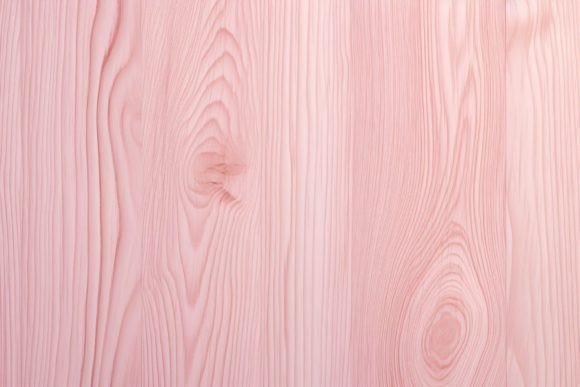
There's a quiet power in materials that feel both familiar and refined. Pastel Wood Texture captures that balance perfectly. Imagine the natural grain and subtle knots of real wood, but softened through a filter of muted pinks, lavenders, mint greens, and creamy whites. This isn't a photorealistic lumber yard; it's a stylized, artistic interpretation. The texture maintains the organic, horizontal flow of wood grain but replaces typical brown and tan tones with a contemporary, gentle palette. It feels clean, approachable, and inherently modern.
The personality of this texture is one of soft sophistication. It avoids the rustic, heavy feel of traditional wood, leaning instead into a light, airy aesthetic. It suggests creativity, calm, and a touch of whimsy. This makes it incredibly versatile for projects that need to feel grounded yet fresh, professional yet personal. The Pastel Wood Texture Background works as a subtle canvas that adds depth and interest without overwhelming the main content. Its style bridges the gap between natural elements and modern design trends, making it a valuable design asset for a wide range of applications.
Where Pastel Wood Texture Truly Shines: Practical Applications
The real test of any texture is how it performs in the field. Pastel Wood Texture excels in projects where you want to inject warmth and character without sacrificing clarity or a contemporary feel. Its high-resolution JPG file (3000×2000 px at 300 DPI) ensures it scales beautifully for both digital and print uses.
Digital and Branding Projects
For web design and social media graphics, this texture serves as an excellent background for hero sections, header images, or profile banners. It provides visual interest that helps text and graphics pop, especially when paired with clean sans serif fonts. In logo design and brand identity, it can be used as a secondary element—think business card backs, letterhead textures, or packaging accents. It helps brands in the lifestyle, wellness, artisanal food, or boutique retail spaces convey a sense of thoughtful craftsmanship and approachability.
Print and Physical Goods
This is where the texture's utility becomes exceptionally broad. As noted, it's perfect for decoupage, allowing crafters to apply the soft wood pattern to furniture, trays, or decorative boxes. Its RGB color mode is optimized for screen, but it can be converted to CMYK for professional printing. Use it for cardmaking, creating unique invitation backgrounds, or designing standout business cards. For publishers and authors, it can inspire editorial design elements or become the backdrop for a book cover's typography. Small business owners can use it to design cohesive packaging design elements, from stickers to thank-you cards, that reinforce their brand's aesthetic.
Integrating Pastel Wood Texture into Your Design Workflow
Adopting a new texture requires thoughtful integration. Here’s how to make Pastel Wood Texture work effectively within your projects.
Evaluating Fit and Pairing
First, consider the project's goal. Does it need to feel friendly, creative, and slightly organic? If yes, this texture is a strong candidate. It pairs exceptionally well with other modern typography. Try it with a geometric sans serif font for a clean, tech-meets-nature vibe, or with a elegant script font for a more personal, invitation-style feel. The key is contrast: let the soft texture support, not compete with, your primary typeface. Always test your font pairing directly on the texture at the intended size to ensure readability remains high.
Technical Considerations for Professional Use
Because this is a premium font—or rather, a premium texture asset—it’s built for commercial use. The high resolution and DPI mean you can print it large without pixelation. For digital use, optimize the file size for faster web loading without losing quality. When using it in a brand identity system, create guidelines for its application: specify opacity levels, color overlays, and placement rules to maintain consistency across all touchpoints. This disciplined approach ensures the texture enhances your brand perception of professionalism and attention to detail.
Creative Exploration and Real-World Examples
Don't limit the texture to a flat background. Use clipping masks in design software to apply it to specific shapes, like icons or text outlines. Create a wooden text effect by applying the texture to letterforms. For scrapbooking or planner stickers, it can be the base layer that ties disparate elements together. A blogger might use it as a consistent background for quote graphics or podcast cover art, building audience engagement through a recognizable visual style. The goal is to see it not as a single image, but as a versatile tool for adding a layer of tactile, gentle beauty to your creative output.
In the end, Pastel Wood Texture