The Timeless Allure of a Victorian Era Christmas Ballroom
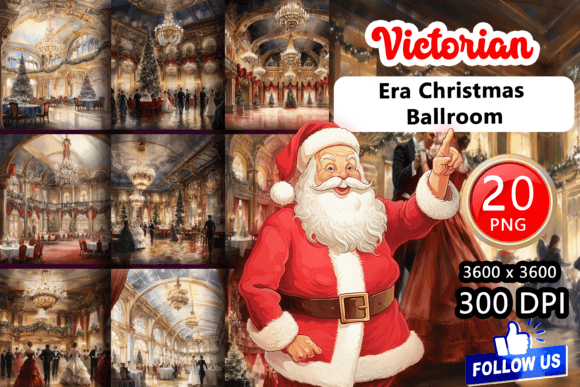
There is a specific kind of magic in the air when we think of a Victorian Era Christmas Ballroom. It’s a scene steeped in nostalgia—think gaslight chandeliers casting a warm, flickering glow on polished wooden floors, the rich scent of pine boughs and beeswax, and the rustle of heavy silk gowns. For designers and content creators today, capturing this specific mood is less about historical reenactment and more about invoking a feeling of opulence, warmth, and meticulous detail. It represents a visual language where every ornament has a story and every shadow adds depth. This aesthetic isn't just for period pieces; it’s a powerful tool for adding a layer of sophisticated charm and festive grandeur to modern projects.
Decoding the Aesthetic: More Than Just Decorations
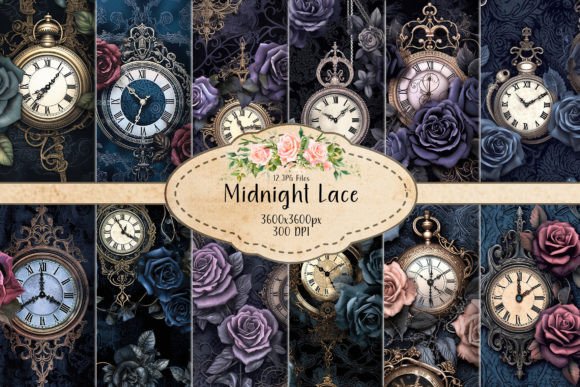
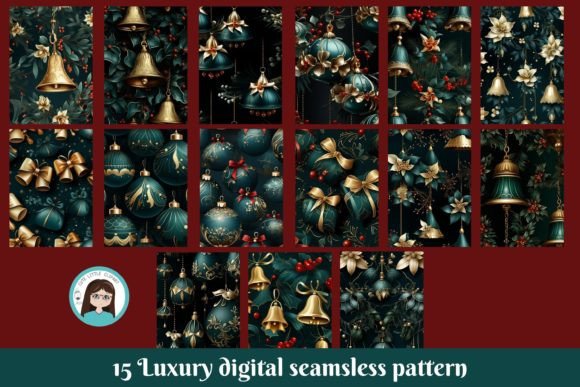
When we talk about the visual personality of a Victorian Christmas, we're talking about a layered, maximalist approach. The style is characterized by deep jewel tones—burgundy, emerald green, royal blue, and gold—set against dark, rich backgrounds. Textures are paramount: you’ll find velvet ribbons, intricate lace, embossed papers, and the gleam of brass and crystal. This isn't the minimalist, clean-lined holiday of today; it’s a celebration of abundance and craft. The overall appeal lies in its ability to feel both luxurious and intimately personal, a combination that modern audiences find deeply engaging.
This aesthetic translates beautifully into various design assets. For a premium font or a display font to work within this context, it needs to echo these qualities. Think of letterforms with elegant serifs, delicate hairlines, and perhaps a touch of decorative flair reminiscent of Victorian typography—without sacrificing legibility. It’s a style that commands attention, making it perfect for projects where you want to establish a sense of tradition, quality, and festive celebration.
Where This Style Shines: Practical Applications for Creators
The Victorian Era Christmas Ballroom aesthetic is incredibly versatile. Its strength lies in its ability to elevate a project from ordinary to memorable. Here’s how different creators can harness its power:
- Branding & Packaging Design: For small businesses in the luxury goods, artisan food, or bespoke service sectors, this style is gold. Imagine a logo design for a high-end chocolatier or a candle maker, using a refined serif font paired with a delicate script font. The packaging design for a holiday gift box can incorporate these textures and colors, making the unboxing experience feel like opening a treasured heirloom. It directly influences brand perception, communicating craftsmanship and timeless quality.
- Editorial & Web Design: Bloggers and publishers can use this theme for holiday content. A web design layout for a Christmas recipe post or a gift guide can use a muted Victorian color palette with accents of gold. The right typeface pairing—a sturdy sans serif font for body text with an ornate display font for headers—ensures readability while maintaining the thematic visual hierarchy. It creates an immersive reading experience that keeps audiences engaged.
- Event Invitations & Marketing: The direct application is obvious: crafting elegant event invitations for a holiday gala, a winter wedding, or a corporate Christmas party. The aesthetic sets the tone immediately, promising an event of sophistication and charm. For marketers, social media graphics and email campaigns using these visuals can cut through the noise of generic holiday promotions, offering a sense of curated elegance that boosts audience engagement.
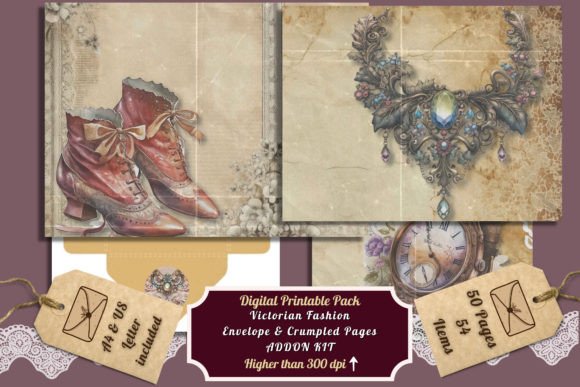
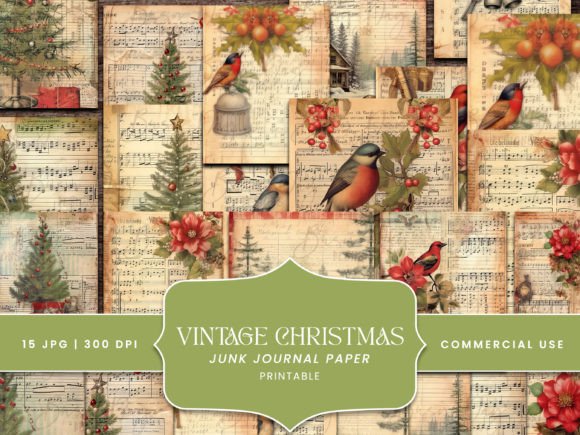
- Personal & Craft Projects: For hobbyists and crafters, the inspiration is endless. From creating vintage-inspired scrapbook layouts to designing custom holiday cards or table settings, this style provides a rich template. The key is in the details: using design assets that reflect the period’s craftsmanship, like filigree borders or botanical illustrations.
Making It Work: A Guide to Selection and Pairing
Adopting a Victorian Christmas style requires a thoughtful approach. It’s easy to tip into kitsch if not handled with care. Here’s a practical guide:
- Choose Your Core Typeface Wisely. The foundation is often a strong serif font. Look for one with moderate contrast and elegant details. Avoid overly distressed or grungy versions unless you’re aiming for a very specific, rustic vibe. The goal is professionalism and consistency across your project.
- Master the Font Pairing. This is critical for readability and flow. A classic approach is to pair a decorative display font or script font for headlines with a clean, highly legible sans serif font for body text. This creates a clear visual hierarchy and prevents the design from feeling cluttered. Test your pairings at different sizes to ensure they work harmoniously.
- Evaluate the Project Fit. Ask yourself: Does this aesthetic align with my message and audience? A Victorian Christmas style is perfect for conveying tradition, luxury, and celebration. It might be less suitable for a tech startup’s minimalist branding, but ideal for a boutique’s holiday campaign. Consider the emotional response you want to evoke.
- Review Included Styles and Licensing. If investing in a premium font family, check what’s included. Does it have multiple weights (regular, bold, italic)? Are there alternative characters or ligatures that add authenticity? Crucially, understand the commercial font licensing. Ensure it covers your intended use, whether for digital web design, printed materials, or merchandise.
- Test for Readability and Recognition. Always test your design in context. View it on different screens and in print. Is the text still easy to read? Does the overall design enhance or hinder the message? The most beautiful aesthetic fails if the content isn’t accessible. The goal is to use the style to build brand recognition and connection, not to obscure your core offering.
Ultimately, the Victorian Era Christmas Ballroom is more than a fleeting trend. It’s a timeless wellspring of inspiration that speaks to our desire for beauty, detail, and meaningful celebration. By understanding its core elements and applying them with intention, you can create work that feels both deeply rooted in tradition and vibrantly relevant today, capturing the enduring spirit of a holiday season filled with wonder and elegance.