Serene Blue and Green Abstract Watercolor Background
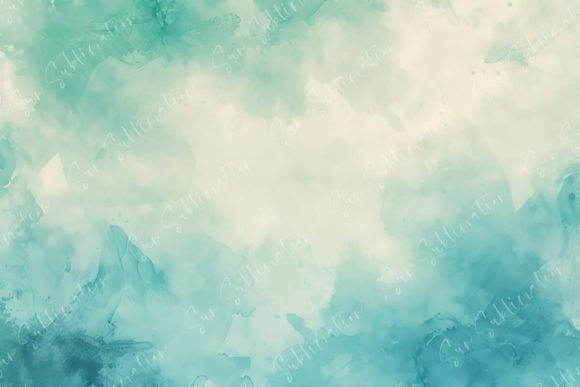
There’s a particular feeling that washes over you when you see a design that just breathes. It’s not loud or demanding; it’s a quiet confidence. That’s the essence of a well-crafted Abstract Watercolor Background. This isn’t a noisy pattern or a distracting texture. It’s a high-resolution digital asset designed to set a mood, and the mood here is one of profound calm. The interplay of blue and green hues, rendered in a soft, fluid watercolor style, creates an atmosphere of serenity and clarity. It’s a foundational element, a digital canvas that can elevate a project from simple to sophisticated without saying a word.
The Visual Language of a Calm Canvas
What makes this particular background so effective? It’s all in the details. The palette leans into nature—think of a misty morning over a lake or the soft gradient of a seaglass fragment. The blues suggest depth, trust, and stability, while the greens evoke growth, balance, and renewal. Together, they create a harmonious, tranquil vibe. The watercolor technique adds an organic, human touch. You see the subtle blending of colors, the slight variations in opacity, and the gentle bleeds that feel handcrafted rather than digitally perfect. This imperfection is its strength, offering a layer of authentic texture that flat colors or digital gradients often lack. At a massive 4500 x 3000 pixel size and a print-ready 300 dpi resolution, this background has the muscle to support large-format projects without breaking a sweat.
Its personality is versatile. It can feel professional and corporate for a financial blog, or gentle and artistic for a wellness brand. It’s a creative font in visual form—a premium font for your imagery. It doesn’t scream for attention, but it commands it through its composed elegance. This makes it a powerful tool for anyone building a brand identity that values peace, clarity, and thoughtful design.
Where This Background Truly Shines
Thinking about where to use an Abstract Watercolor Background is like thinking about where to use a perfect, versatile piece of furniture. It fits, but it also elevates. For web design, it’s a game-changer. Imagine it as the hero section of a website for a therapist, a spa, a sustainable brand, or a creative studio. It immediately sets a calming tone for the user experience. It can also work beautifully as a subtle texture behind a blog post about mindfulness or travel, adding depth without competing with the text.
In editorial design and publishing, its applications are equally strong. Use it as a full-page background for a magazine feature on environmental topics, a book cover for a memoir or poetry collection, or as a soft backdrop for pull quotes in a digital newsletter. The serene quality helps content feel more immersive and thoughtful.
For social media graphics, this background is a secret weapon. It can unify your Instagram feed or Pinterest boards with a consistent, professional aesthetic. It’s perfect for quote cards, promotional banners for webinars, or podcast cover art. The high resolution ensures it looks crisp even on high-density screens. Entrepreneurs and small business owners can use it to create elegant thank you cards, digital product covers, or website banners that convey a sense of calm authority. Crafters might print it for scrapbooking or as a base for digital planners.
Practical Guidance for Seamless Integration
Choosing the right background is only half the battle; using it effectively is the other. Here’s how to make this asset work for you.
- Evaluate Your Project’s Fit: Does your project call for a sense of calm, creativity, or natural elegance? If you’re designing for a high-energy fitness brand, this might not be the match. But for a yoga studio, a life coach, a journal brand, or a tech company focusing on user well-being, it’s spot-on.
- Master the Art of Font Pairing: The soft, organic nature of this background provides a perfect counterpoint to clean, modern typography. A sans serif font like Montserrat or Open Sans will look crisp and contemporary against it. For a more classic or editorial feel, a simple serif font like Lora or Playfair Display can create beautiful contrast. Avoid overly ornate script fonts or handwritten fonts as primary text, as they can become hard to read. Instead, use them sparingly for accents or logos, letting the background’s texture complement rather than clash.
- Consider Readability Above All: This is non-negotiable. If you’re placing text over the background, ensure there is sufficient contrast. You might need to add a semi-transparent white or dark overlay in your design software to make text pop. Test it at small sizes—your body copy must remain legible. The background should support the message, not obscure it.
- Think About Commercial Licensing: Since this is a digital product for immediate download, you’re likely purchasing a license for personal and commercial use. Always double-check the specific terms. Can you use it in a logo? On products for sale? In client work? Understanding the license protects you and your business, ensuring you can use this design asset confidently across all your marketing and packaging design projects.
Remember, the colors you see on your monitor are a guide. When you move to print—whether it’s a business card, a poster, or a product label—the final result will be influenced by the paper stock, ink, and printer. It’s always wise to order a proof for critical print projects. This background is a powerful starting point, a piece of modern typography in visual form. Its real value lies in how you adapt it, pair it, and use it to tell your unique story with clarity and calm. It’s more than just a commercial font alternative; it’s a foundational element for thoughtful, professional design.