Cats Dogs Junk Journal Pages: Shabby Chic Digital Charm
Diving into the world of mixed media often feels like a search for that perfect, textured piece of ephemera that ties a whole spread together. You know the feeling—you’re working on a vintage-themed scrapbook or a personal planner, and you need something that feels tactile and authentic, even if it’s digital. That is exactly where the Cats Dogs Junk Journal Pages collection steps in. This isn't just a set of images; it is a toolkit for creating atmosphere. Designed specifically for the modern crafter who appreciates the shabby chic aesthetic, these pages offer a bridge between digital convenience and the nostalgic warmth of physical paper crafts.
The Visual Language of Shabby Chic
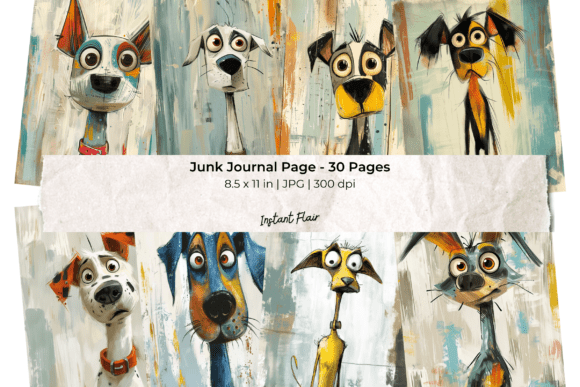
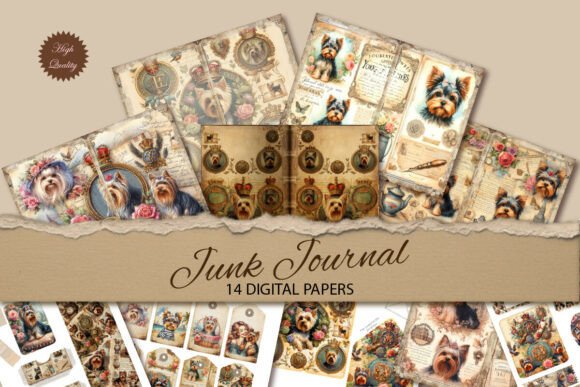
To understand the value of these assets, we have to look at their visual personality. The style of the Cats Dogs Junk Journal Pages relies heavily on texture and time. We are talking about soft, distressed backgrounds that mimic aged paper, layered with whimsical illustrations of cats and dogs. These aren't hyper-realistic veterinary drawings; they are artistic interpretations that fit the vintage junk journal pages vibe perfectly. You will notice a lot of sepia tones, muted pastels, and textures that look like they have been passed down through generations.
In terms of typography and design strategy, these pages act as a neutral yet character-rich foundation. Because they lean into a handwritten font and script font aesthetic without being rigid, they pair beautifully with other design assets. If you are a brand strategist or graphic designer working on a pet-related business, you know how difficult it can be to find imagery that feels professional but not sterile. These pages solve that problem by providing a background that already possesses a high degree of emotional resonance.
Strategic Applications for Creatives and Marketers
While the immediate application is obvious—junk journaling and scrapbooking—the versatility of these digital downloads extends much further. For small business owners in the pet industry, such as groomers, boutique pet food sellers, or handmade accessory makers, these pages are gold. Imagine using a textured layer from this collection behind your logo for a seasonal social media campaign. It instantly adds a layer of "craftsmanship" to your brand identity.
Here is where these pages work best in the real world:
- Editorial Design: Use them as chapter dividers or sidebar backgrounds in a pet care eBook or a local community newsletter. The texture prevents large blocks of text from feeling flat.
- Packaging Design: If you are selling homemade dog treats or cat toys at a local market, printing these pages as wrapping paper or envelope liners elevates the unboxing experience significantly.
- Web Design: While you have to be careful with file size, these 300dpi JPGs can be optimized to create beautiful hero sections for a blog about animal rescue or vintage collecting. It adds a human touch that stock photos often lack.
- Personal Projects: Beyond business, they are perfect for "Happy Mail," birthday cards, or creating custom scrapbooks for a pet’s adoption anniversary.
Mastering Visual Hierarchy and Texture
One of the biggest challenges in modern typography is ensuring that text remains legible over complex backgrounds. The beauty of the Cats Dogs Junk Journal Pages is that the complexity is organic, not chaotic. However, as a content creator, you still need to manage your visual hierarchy.
When overlaying text on these pages, avoid sans serif fonts that are too thin, as they can get lost in the paper grain. Instead, opt for a bold serif font or a heavy display font for headlines. The vintage nature of the background pairs exceptionally well with typefaces that have a bit of a retro flair. For example, if you are designing a flyer for a pet adoption event, use the textured page as the background, place a semi-transparent vellum overlay (a common trick in editorial design), and then place your text on top. This ensures readability while maintaining the shabby chic charm.
Practical Workflow: From Download to Design
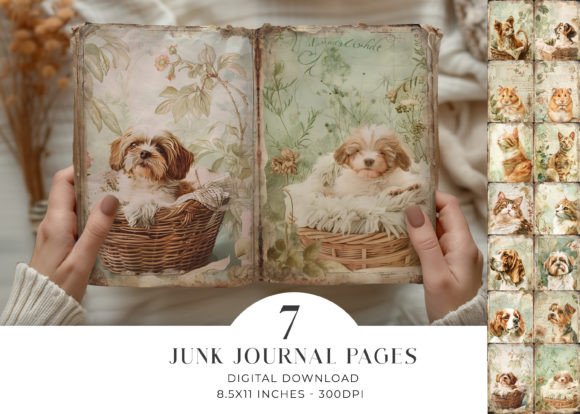
Let’s get practical. You have downloaded the 7 pages 11X8.5″ set. How do you integrate them into your workflow?
- Check the Specs: These are high-quality JPG files at 300dpi. This resolution is crucial. It means you can print these pages at full size without pixelation. This makes them premium font and asset quality—suitable for commercial printing.
- Evaluate the Fit: Before you start layering, look at the color palette of the pages. Do they match your existing brand identity? If your brand uses neon green, a sepia-toned vintage page might clash unless used intentionally for contrast.
- Testing and Pairing: Open your preferred software (Photoshop, Canva, Procreate). Import one of the pages. Try placing your logo or a creative font over it. Does the texture fight with the font? If so, try blusing the background slightly or lowering the opacity to let the typography shine.
Licensing and Commercial Use
For the entrepreneurs and marketers reading this, the question of licensing is always paramount. Typically, digital assets like these Cats Dogs Junk Journal Pages come with a license that allows for personal and small commercial use, such as creating a physical end product (like a printed card) or using it in a digital design for a client. However, you generally cannot resell the raw files themselves. Always double-check the specific license agreement included with your download to ensure your commercial font and asset usage is compliant. This protects both you and the artist who created these beautiful textures.
Elevating Your Creative Process
Ultimately, using assets like the Cats Dogs Junk Journal Pages is about efficiency and inspiration. Starting a project with a rich, textured background immediately sets a mood that a blank white canvas cannot. It forces you to think about composition, layering, and contrast right from the start.
Whether you are a blogger looking to create unique Pinterest graphics, a hobbyist making a memory book, or a designer working on a niche project, these pages provide a solid foundation. They remind us that design doesn't always have to be clean and minimal; sometimes, it needs to be warm, a little messy, and full of character. By incorporating these vintage junk journal pages into your toolkit, you are not just adding images; you are adding potential stories to your designs. So go ahead, layer them up, mix them with your favorite typefaces, and see where the vintage charm takes your next project.