Brick Wall Texture Background: Versatile Design for Digital and Print
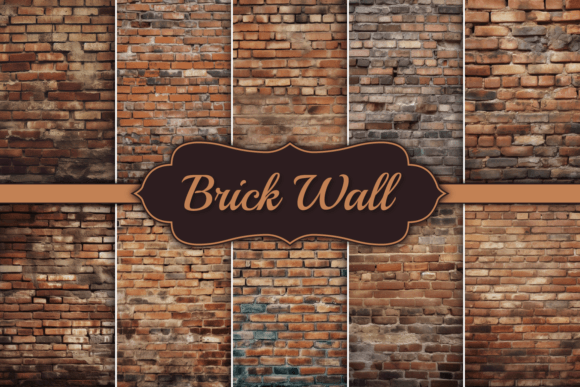
There’s a certain honesty to a brick wall. It’s raw, textured, and carries a sense of history and permanence. In the design world, capturing that authentic feel can be a powerful tool, and that’s exactly what a well-crafted Brick Wall Texture Background provides. This digital asset collection offers ten distinct interpretations of that classic surface, ready to be integrated into your projects. It’s more than just a pattern; it’s a foundational layer that adds instant character and depth, setting a specific mood before you’ve even added your primary text or imagery.
Understanding the Visual Character and Appeal
Each design in this collection presents a unique take on the brick wall aesthetic. You’ll find variations in color, from warm terracotta reds and rustic oranges to cooler, weathered grays and painted whites. The textures range from rough, highly pronounced mortar lines to smoother, more uniform brickwork. Some designs feature subtle imperfections—faded patches, mossy edges, or sun-bleached surfaces—that tell a story of age and exposure. Others are cleaner, representing a more contemporary, architectural feel. This versatility is key. The Brick Wall Texture Background isn’t a one-note asset; it’s a palette of moods, from industrial and gritty to clean and urban-chic.
The personality of these textures is inherently strong and grounded. They evoke feelings of stability, resilience, and urban energy. For a brand, using a brick texture can communicate authenticity, craftsmanship, or a connection to city life. For a creative project, it provides a visually engaging stage that doesn’t overwhelm. It’s a creative font in its own right—a visual typeface that speaks through color, pattern, and tactile illusion. The high-resolution, 300dpi files ensure that this character is preserved whether you’re designing a small social media icon or a large-format poster.
Practical Applications Across Creative Projects
The true value of any design asset is in its application. A Brick Wall Texture Background shines in its sheer range of use cases, seamlessly moving between digital and print mediums. For graphic designers and brand strategists, it’s a powerful component in logo design and brand identity systems, particularly for brands in the food and beverage industry, craft trades, urban fashion, music, or local retail. It can serve as the backdrop for a bold, sans-serif logotype, instantly giving the brand a textured, tangible presence.
In editorial design and packaging design, these textures add a layer of sophistication and realism. Imagine a cookbook cover where a rustic brick wall frames the title, or a craft beer label where the texture suggests heritage and quality. For web design, a subtle brick texture can be used as a background for hero sections, footers, or sidebar panels, breaking up flat, digital spaces with organic interest without harming readability when used thoughtfully.
- Digital Media: Perfect for social media banners, blog post headers, website backgrounds, and digital wallpapers. The 12x12 inch square format is ideal for Instagram posts and Pinterest graphics.
- Print Media: Excellent for scrapbooking, journal covers, notebook designs, greeting cards, and poster backgrounds. The 300dpi quality ensures crisp, professional results.
- Personal & Commercial Projects: Use them to create unique merchandise, t-shirt designs, or promotional flyers. The license typically covers both personal and commercial use, offering great flexibility.
Integrating Texture into Your Design Workflow
Choosing the right texture from the collection is your first practical step. Don’t just pick your favorite color. Consider the visual hierarchy of your project. A dark, moody brick wall will make light-colored text pop, but might be too dominant for a complex layout with multiple images. A lighter, more uniform texture might be better as a supporting player. Always view the texture in context. Place your primary text, logo, or images over it at a reduced opacity or with a subtle drop shadow to ensure legibility. This is where understanding font pairing extends to texture pairing—your background shouldn’t fight with your foreground elements.
Testing is non-negotiable. Download the files and mock up a few variations. Does the texture support your message or distract from it? For a tech startup aiming for a clean, modern look, a weathered, gritty brick might feel incongruous. For a vintage-style blog or a podcast about city history, it’s a perfect fit. This asset works best as part of a larger toolkit. Pair it with a clean, sans serif font for balance, or with a script font for a more artistic, handcrafted vibe. The goal is cohesion, not just decoration.
Remember, the included JPGs are your raw material. In software like Photoshop or Canva, you can adjust the color balance, overlay gradients, apply blend modes, or combine two different brick textures to create something entirely new. This level of customization is what separates generic projects from standout ones. By treating the Brick Wall Texture Background as a versatile component rather than a finished product, you unlock its full potential to enhance your brand identity, elevate your social media graphics, and add a layer of professional polish to all your creative endeavors.